Author of the Month · Leo Tolstoy
Leo Tolstoy and the innocence of childhood: reading paths
One author, several sections: books, music and cinema · Tags: Leo Tolstoy · Autumn · Conviviality

Before he wrote War and Peace, Leo Tolstoy made his debut in 1852 with Childhood, a short novel in which young Nikolenka looks at the world with wonder: the country house, his mother, his tutor, his first embarrassments and first tenderness. His rarest gift is already there, an attention to the smallest details of everyday life. A little more than ten years later, that gaze widens into the epic of War and Peace (1865–1869): the Napoleonic campaigns, the salons of Moscow and Saint Petersburg, the Rostov and Bolkonsky families. Yet even in his grandest pages Tolstoy keeps returning to childhood, to Natasha’s dances, to family tables, to an innocence that history puts to the test. Reading them one after the other is a slow journey, best paired with the music and cinema that follow.
Music
Music — Listening to Slow Time
Every season of the earth has its own frequency: the wind through the olive trees in November, the quiet of the cellar while wine rests, the clink of glasses at the end of the day. Here we gather soundtracks for reading and tasting.

Tolstoy’s Notes: Music Between the Page and the Glass
For Leo Tolstoy, music was never mere decoration, but a force capable of stirring the soul—from the waltzes of War and Peace to Beethoven’s Kreutzer Sonata. We gathered the classical pieces loved by the Russian writer into an evening Spotify playlist, best enjoyed in soft light with a glass of Negroamaro di Copertino.
Cinema
Cinema — Light, Gaze, and Stories in Motion
Cinema shares the same raw materials with photography and winemaking: light and patience. In this space, we recommend arthouse films, literary adaptations, and works that capture the beauty of landscapes and the warmth of the table. One film a month, meant to be watched unhurriedly.
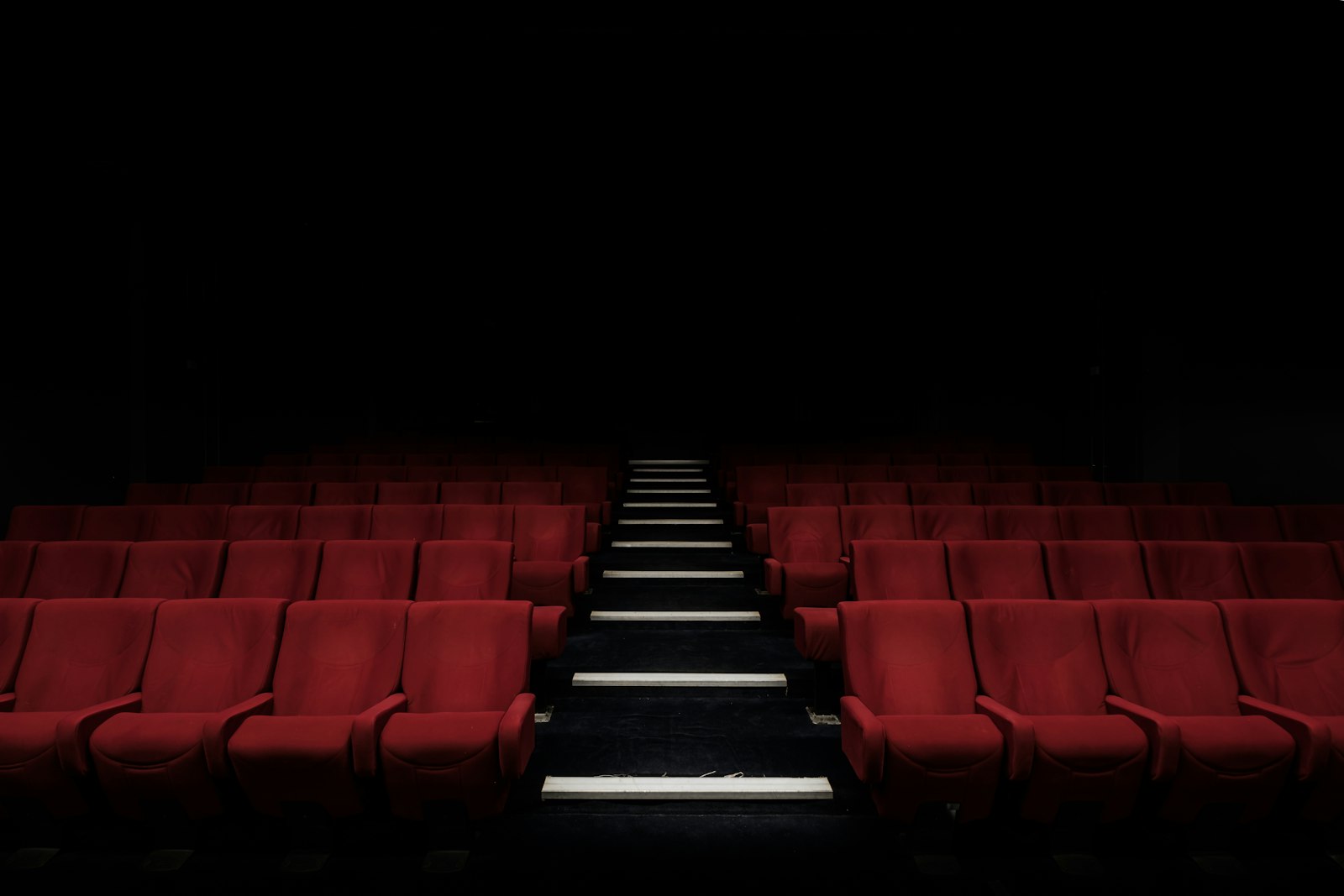
Tolstoy on Screen: The Poetry of Landscapes in Cinema
Bringing Leo Tolstoy’s novels to the screen means capturing both the vastness of nature and the quietest details of the human heart: from Sergei Bondarchuk’s monumental War and Peace to modern interpretations of Anna Karenina. A visual journey paired with a Rosso Riserva.