The Mediterranean Diet: A Way of Life, Not a List of Restrictions
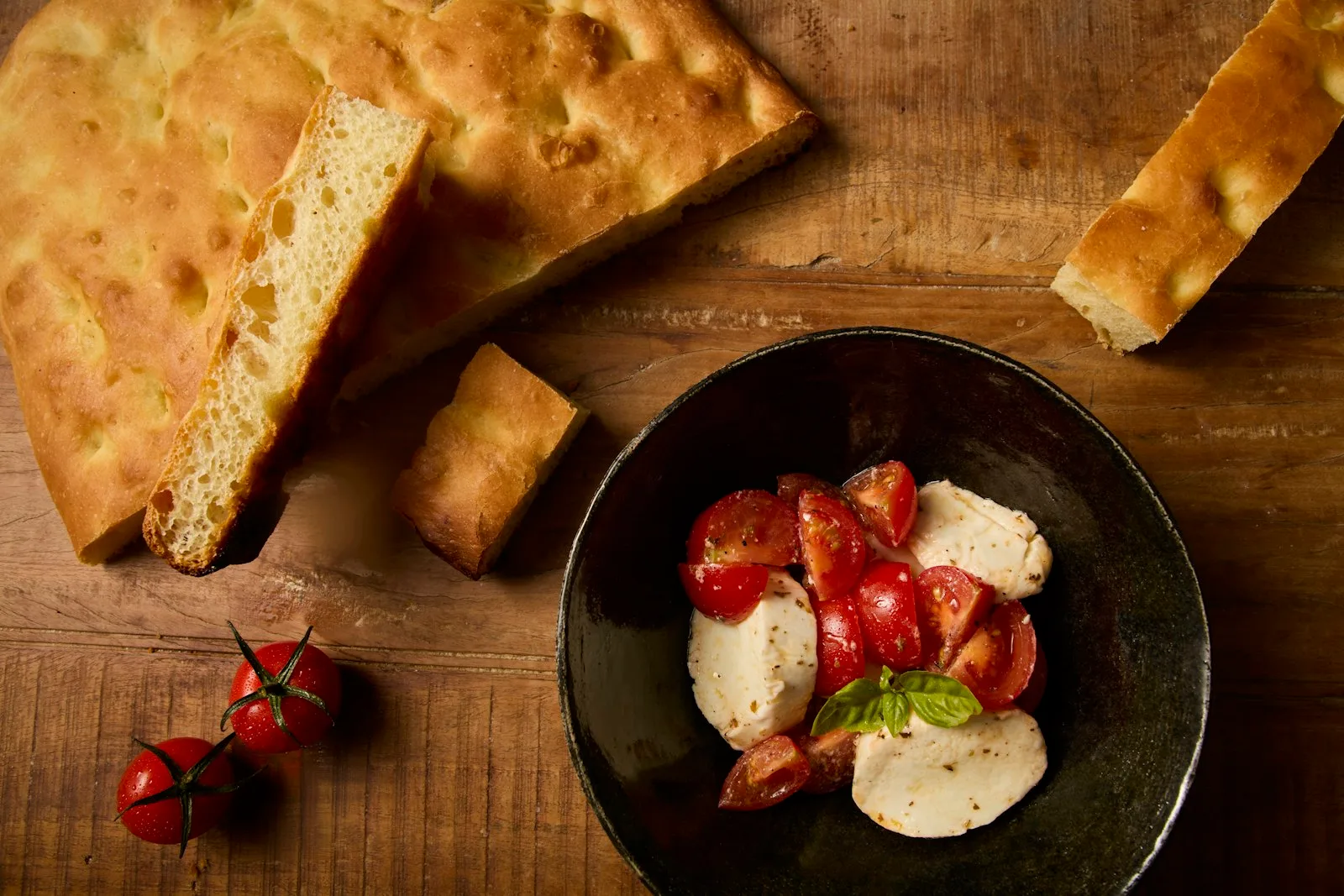
Recognized by UNESCO as Intangible Cultural Heritage, the Mediterranean diet is not a rigid calorie chart, but a balanced relationship with food, seasonality, and community. At the heart of this table stands extra virgin olive oil: it turns simple ingredients like legumes, whole grains, and seasonal vegetables into a nourishing daily ritual.
“The Mediterranean diet does not ask you to give up the pleasure of the table, but to bring time and quality back to everyday ingredients.”
In everyday practice, this model translates into simple, repeatable choices: filling the plate with seasonal vegetables, legumes at least three times a week, whole grains, nuts, and oily fish, while keeping meat for occasional meals. Cold-pressed extra virgin olive oil is far more than a seasoning—it is the thread that ties every ingredient on the plate together and brings out its flavour.
Beyond ingredients, context matters just as much: cooking at home, eating unhurriedly, and sharing meals support better digestion and ease daily stress. There is no need to overhaul your routine overnight—start by replacing refined fats with quality extra virgin olive oil drizzled raw and rediscovering simple, traditional dishes.
Educational content: it does not replace medical advice. No link between alcohol consumption and health benefits.
Share this article